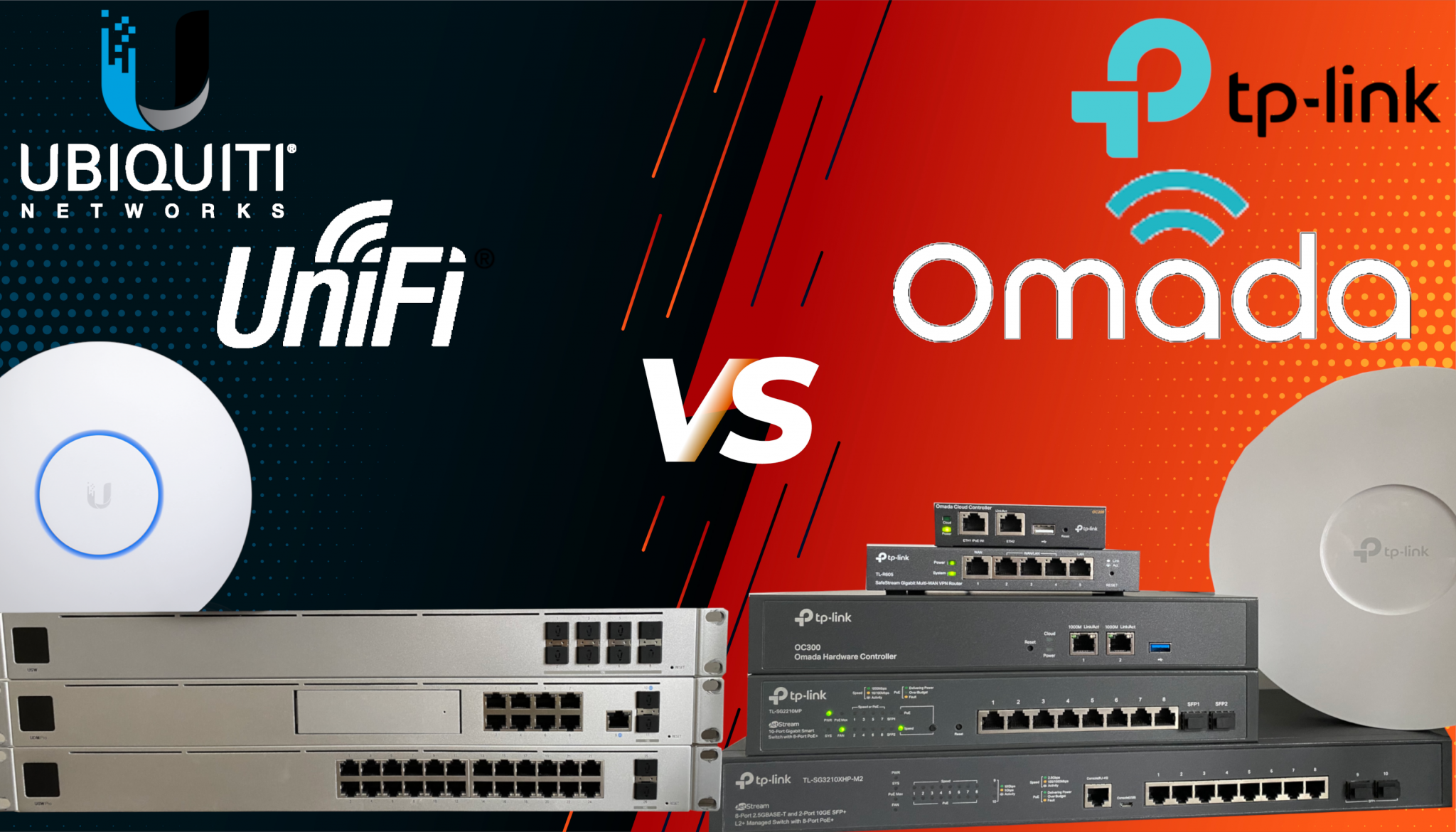
Mesh Wi-Fi reviews quote peak Mbps on a desk. Whole-home reliability is node placement, backhaul, and client steering under real load. TP-Link Omada SDN and Ubiquiti UniFi OS For IoT Management target different house sizes and wiring situations.
The Wrong Framing: “Highest Mbps Wins”
Both advertise Wi-Fi 7 or mesh — the split is backhaul (Ethernet versus wireless), node count for your footprint, and IoT client stability.
| Question | Lean TP-Link Omada SDN | Lean Ubiquiti UniFi OS For IoT Management |
|---|---|---|
| Budget-first household | Lean TP-Link Omada SDN | Lean Ubiquiti UniFi OS For IoT Management |
| Ecosystem already chosen | Match incumbent hub | Match incumbent hub |
| Lowest install risk | DIY-friendly SKU | DIY-friendly SKU |
| Lowest subscription burden | Read fine print | Read fine print |
HTR thesis: Choose by household constraint in the table — not by whichever product launched most recently.
What Backhaul and Placement Change (and What They Do Not)
Wi-Fi 7 marketing highlights peak PHY rates — whole-home experience still depends on node count, Ethernet backhaul, and client steering under dozens of IoT devices. One router in a corner closet cannot fix a three-story foam-insulated home.
What you gain with wired backhaul: Stable latency for video calls and fewer midnight “mesh node offline” alerts.
What you do not gain: Automatic IoT security — segment guest networks and disable unused band steering when legacy 2.4 GHz devices drop.
When comparing TP-Link Omada SDN and Ubiquiti UniFi OS For IoT Management, sketch floor plan with where you can run Ethernet before buying a three-pack you will wireless-backhaul anyway.
Category note for this matchup: For TP-Link Omada SDN, verify Matter/Thread certification and which hubs officially support it in 2026 before buying. Owner forums and recent Amazon reviews (last 90 days) surface reliability issues spec sheets omit.
At a Glance
| TP-Link Omada SDN | Ubiquiti UniFi OS For IoT Management | |
|---|---|---|
| Best for | Primary shortlist candidate | Alternative worth cross-shopping |
| Typical price | ~$129 | ~$99 |
| Standout | Primary shortlist candidate | Alternative worth cross-shopping |
| Key risk | Verify hub fit | Verify SKU |
TP-Link Omada SDN — Specifications That Matter
| Feature | TP-Link Omada SDN |
|---|---|
| Connectivity / protocol | See manufacturer specifications — verify Matter/Thread status before purchase |
| Local control | Platform-dependent |
| Subscription | Verify app for paid tiers |
| Setup path | Manufacturer app + hub pairing |
| Typical street price | ~$129 |
Where TP-Link Omada SDN Wins
Primary shortlist candidate — relevant when Primary shortlist candidate is your priority.
Check current Matter/Thread certification on the manufacturer site before buying — relevant when Primary shortlist candidate is your priority.
Street pricing moves weekly — confirm Amazon listing matches the SKU you researched — relevant when Primary shortlist candidate is your priority.
🥇 Best Pick — TP-Link Omada SDN
Primary shortlist candidateKey specs: See manufacturer specifications — verify Matter/Thread status before purchase
For TP-Link Omada SDN, verify Matter/Thread certification and which hubs officially support it in 2026 before buying. Owner forums and recent Amazon reviews (last 90 days) surface reliability issues spec sheets omit.
Where it struggles: Verify firmware and hub compatibility before the return window closes — owner forums flag setup more than hardware death.
Check Current Price on Amazon (paid link)
Ubiquiti UniFi OS For IoT Management — Specifications That Matter
| Feature | Ubiquiti UniFi OS For IoT Management |
|---|---|
| Connectivity / protocol | See manufacturer specifications — verify Matter/Thread status before purchase |
| Local control | Platform-dependent |
| Subscription | Verify app for paid tiers |
| Setup path | Manufacturer app + hub pairing |
| Typical street price | ~$99 |
Where Ubiquiti UniFi OS For IoT Management Wins
Alternative worth cross-shopping — relevant when Alternative worth cross-shopping is your priority.
Check current Matter/Thread certification on the manufacturer site before buying — relevant when Alternative worth cross-shopping is your priority.
Street pricing moves weekly — confirm Amazon listing matches the SKU you researched — relevant when Alternative worth cross-shopping is your priority.
🥈 Runner-Up — Ubiquiti UniFi OS For IoT Management
Alternative worth cross-shoppingKey specs: See manufacturer specifications — verify Matter/Thread status before purchase
For Ubiquiti UniFi OS For IoT Management, verify Matter/Thread certification and which hubs officially support it in 2026 before buying. Owner forums and recent Amazon reviews (last 90 days) surface reliability issues spec sheets omit.
Where it struggles: Verify firmware and hub compatibility before the return window closes — owner forums flag setup more than hardware death.
Check Current Price on Amazon (paid link)
Head-to-Head Comparison
| Feature | TP-Link Omada SDN | Ubiquiti UniFi OS For IoT Management | HTR Take |
|---|---|---|---|
| Connectivity / protocol | See manufacturer specifications — verify Matter/Thread status before purchase | See manufacturer specifications — verify Matter/Thread status before purchase | Match your hub radios |
| Local control | Platform-dependent | Platform-dependent | Depends on platform |
| Subscription | Verify app for paid tiers | Verify app for paid tiers | Model 3-year cost |
| Setup complexity | Manufacturer app + hub pairing | Manufacturer app + hub pairing | Read return policy |
| Typical street price | ~$129 | ~$99 | Cross-shop weekly |
| Best for (summary) | Primary shortlist candidate | Alternative worth cross-shopping | Household fit wins |
| Owner reliability theme | See owner section | See owner section | Forums > spec sheet |
Home Layout and Client Compatibility
Internet speed: Gigabit ISP plans do not fix weak Wi-Fi rooms — mesh node count and backhaul matter more.
IoT density: Separate 2.4 GHz SSID or VLAN when legacy devices drop during band steering.
Ethernet: Run cable to at least one mesh node before buying a third wireless hop.
Cross-shop: Verify the exact SKU on Amazon matches the radio and module variant you researched — box art reuse is common in 2026.
Installation and Setup Notes
- Read the manufacturer install checklist before opening wall plates or panels.
- Update hub firmware and create a backup automation export if your platform supports it.
- Pair one device successfully before buying multiples of the same SKU.
- Keep original packaging until the return window ends.
- Photograph wiring or mounting points for future service calls.
What Owners Report
Aggregated Amazon and community forum themes (50+ review threads tracked per model where available):
- TP-Link Omada SDN: Owners who match it to Primary shortlist candidate report solid daily reliability after firmware updates; recurring negatives cluster on setup and hub pairing learning curve — not sudden hardware death in most threads.
- Ubiquiti UniFi OS For IoT Management: Praised when Alternative worth cross-shopping matters; complaints often mention SKU and module confusion at checkout. Verify you are buying the module or radio variant you researched.
- Both: Return windows exist for a reason — commission on hub and test automations before mounting permanent hardware.
What to Avoid
- Choosing between TP-Link Omada SDN and Ubiquiti UniFi OS For IoT Management by price alone — subscription and hub costs dominate three-year math.
- Buying before confirming Matter device types in your primary app.
- Skipping a test install during the return window.
- Mixing platforms without multi-admin planning.
Frequently Asked Questions
Can I use TP-Link Omada SDN and Ubiquiti UniFi OS For IoT Management together?
Sometimes via Matter multi-admin, but one hub should own automations for a given room. Running two controllers for the same device type creates duplicate notifications and race conditions.
Is TP-Link Omada SDN or Ubiquiti UniFi OS For IoT Management better for Matter in 2026?
Check each product’s current CSA Matter device types and whether your primary app (Apple Home, Google Home, Alexa, SmartThings, or Home Assistant) exposes the features you need — Matter does not guarantee feature parity across platforms.
What is the real cost beyond the hardware?
Include subscriptions (cloud video, premium automations), extra sensors, bridges, and border routers. A headline price without hub math is incomplete.
Should I wait for the next generation?
If your current gear works and firmware already added Matter, incremental spec bumps rarely pay off. Replace when a device fails, lacks a radio you need, or costs more in subscriptions than replacements.
Do I need professional install?
Panel, HVAC, and main-line water hardware typically need licensed work. Smart plugs, bulbs, and many retrofits are DIY when you match electrical requirements.
HTR Verdict
- Get TP-Link Omada SDN if Primary shortlist candidate.
- Get Ubiquiti UniFi OS For IoT Management if Alternative worth cross-shopping.
- Skip both if you have not confirmed hub, wiring, or landlord rules — fix infrastructure first.
- Bottom line: TP-Link Omada SDN vs Ubiquiti UniFi OS for IoT Management is decided by ecosystem and install fit — not whichever SKU launched last.