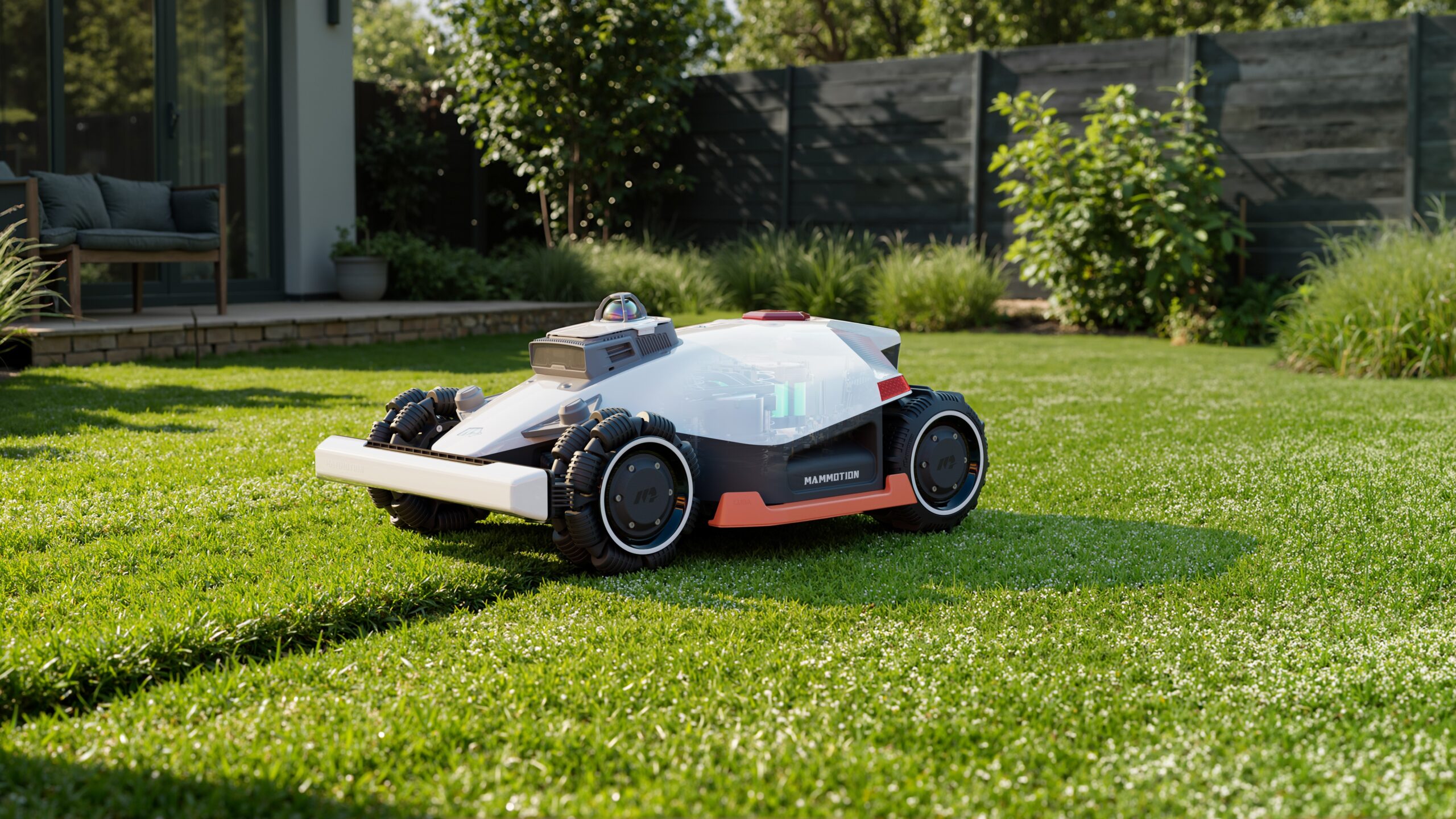
LUBA 3 uses RTK for centimeter-grade mapping without burying wire. AWD handles grades that stump two-wheel RTK mowers.
The Wrong Framing for Mammotion LUBA 3 AWD
Choose Mammotion LUBA 3 AWD if Sloped or complex lawns needing RTK precision without perimeter wire. The decision is not the longest feature list — it is whether Wi-Fi app control and On-device navigation match how your household already runs automations. Watch for: Mapping LUBA 3 without confirming RTK base line-of-sight to the whole lawn
Mammotion LUBA 3 AWD — Specifications That Matter
| Feature | Mammotion LUBA 3 AWD |
|---|---|
| Category | Mammotion LUBA |
| Listing | Confirm current SKU on Amazon before purchase |
| Hub requirement | Depends on radio — check manufacturer app |
| Firmware | Enable hub updates before accessory pairing |
| Warranty | Register serial on first power-on |
Where Mammotion LUBA 3 AWD Wins
No perimeter wire
AWD for slopes
Mammotion LUBA 3 AWD fits general setups when the hub stack is already decided.
Best when: Sloped or complex lawns needing RTK precision without perimeter wire
Cost, Radios, and Household Fit
| Topic | Typical range | Practical check |
|---|---|---|
| Mammotion LUBA 3 AWD | ~$2499 | Confirm box model matches your research listing before pairing devices |
| Radios on board | Wi-Fi app control | List Z-Wave/Zigbee/Thread devices you already own |
| Local control | On-device navigation | Disconnect WAN once to verify automations still run |
| Setup path | RTK base station placement + app mapping | Run one test rule inside the return window |
Subscriptions: No recurring hub fee for core automations on Mammotion LUBA 3 AWD.
Compared to Alternatives
| When this fits better | Lean toward | Why not Mammotion LUBA 3 AWD? |
|---|---|---|
| Navimow i Series targets wire-free mowing at a lower entry price with vision-assisted obstacle handling on simpler lots. | Segway Navimow i Series | LUBA 3 AWD is the stronger pick when AWD traction and RTK slope ratings on your actual grade matter more than vision on flat turf. |
| Automower 450X fits buyers who want boundary wire, dealer service, and decades of Husqvarna ecosystem habits. | Husqvarna Automower 450X | Choose LUBA 3 AWD when burying wire is a deal-breaker and you need wire-free RTK zones on complex geometry. |
| Landroid Vision leans on camera navigation at a lower price on flatter lots with clear edges. | Worx Landroid Vision | LUBA 3 AWD is the better fit when RTK plus AWD traction on slopes beats vision-only routing in owner reports. |
| Sloped or complex lawns needing RTK precision without perimeter wire | Mammotion LUBA 3 AWD | Default pick when alternatives above lack the slope, navigation, or lot coverage you need. |
What to Avoid
- Mapping LUBA 3 without confirming RTK base line-of-sight to the whole lawn
- Assuming AWD replaces hand-trimming along narrow fence lines
- Skipping blade and deck cleaning in year one — owner threads cite cut quality drift
- Buying before measuring maximum slope against the published grade limit
Integration and Daily Use
Mammotion LUBA 3 AWD only pays off when Wi-Fi app control match your primary hub. Plan local control through On-device navigation before you mount hardware permanently.
Specs that change install decisions:
- Category: Mammotion LUBA
- Listing: Confirm current SKU on Amazon before purchase
- Hub requirement: Depends on radio — check manufacturer app
- Firmware: Enable hub updates before accessory pairing
- Warranty: Register serial on first power-on
Setup path: RTK base station placement + app mapping. Subscription check: None.
Reliability, Firmware, and Owner Patterns
RTK base placement and mapping take an afternoon — plan before peak mowing season
Recurring themes in long-running threads:
- RTK base placement and mapping take an afternoon — plan before peak mowing season
- Steep grades above spec still need manual touch-up on some owner lots
- Firmware updates can change zone behavior — re-test edges after major app releases
Match the Amazon listing to the exact model revision in recent reviews.
Summary
Mammotion LUBA 3 AWD fits Sloped or complex lawns needing RTK precision without perimeter wire.
Key specs: Mammotion LUBA, Confirm current SKU on Amazon before purchase, Depends on radio — check manufacturer app, Enable hub updates before accessory pairing, Register serial on first power-on
LUBA 3 uses RTK for centimeter-grade mapping without burying wire. AWD handles grades that stump two-wheel RTK mowers.
Tradeoffs: RTK base placement and mapping take an afternoon — plan before peak mowing season; Steep grades above spec still need manual touch-up on some owner lots; Firmware updates can change zone behavior — re-test edges after major app releases
Check Current Price on Amazon (paid link)
What Owners Report
Aggregated Amazon and forum themes for this SKU:
- Praise: Sloped or complex lawns needing RTK precision without perimeter wire
- Complaints: RTK base placement and mapping take an afternoon — plan before peak mowing season
- SKU drift: Match the Amazon listing to the exact model revision in recent reviews.
Installing and Commissioning Mammotion LUBA 3 AWD
- Survey the lot for RTK base placement with clear sky view to all mowing zones
- Walk the perimeter once with the app before scheduling the first autonomous run
- Mark playground equipment and low branches — RTK maps still need obstacle policy in app
- Run a short test mow inside the return window before leaving it unattended all week
Who Should Buy Mammotion LUBA 3 AWD?
Choose this model if Sloped or complex lawns needing RTK precision without perimeter wire.
Skip it if Your lot is flat, small, and already suited to boundary wire or vision mowers without RTK mapping.
Frequently Asked Questions
Does Mammotion LUBA 3 AWD require a hub?
RTK GPS, AWD, 0.37 acre per charge, wire-free boundary — Thread/Zigbee often need a border router; many Wi-Fi Matter devices pair directly.
Is Mammotion LUBA 3 AWD worth buying in 2026?
Worth it when Sloped or complex lawns needing RTK precision without perimeter wire and street price fits your tier. Pass if a named alternative in this review already covers your radios.
What does Mammotion LUBA 3 AWD cost beyond the hardware price?
Plan for mounts, batteries, or repeaters — Mammotion LUBA 3 AWD has no mandatory hub subscription for core automations.
What do owners complain about most?
Forum threads cluster on pairing and firmware more than dead hardware — read reviews for your exact SKU revision.
How does Mammotion LUBA 3 AWD compare to alternatives on this page?
Use the Compared to Alternatives table — each row names a real SKU and when Mammotion LUBA 3 AWD loses on radios, hub fit, or three-year cost.
HTR Verdict
- Best for: Sloped or complex lawns needing RTK precision without perimeter wire.
- Skip if: Your lot is flat, small, and already suited to boundary wire or vision mowers without RTK mapping.
- Bottom line: Mammotion LUBA 3 AWD earns its place when the alternatives above do not already solve the same job for less.