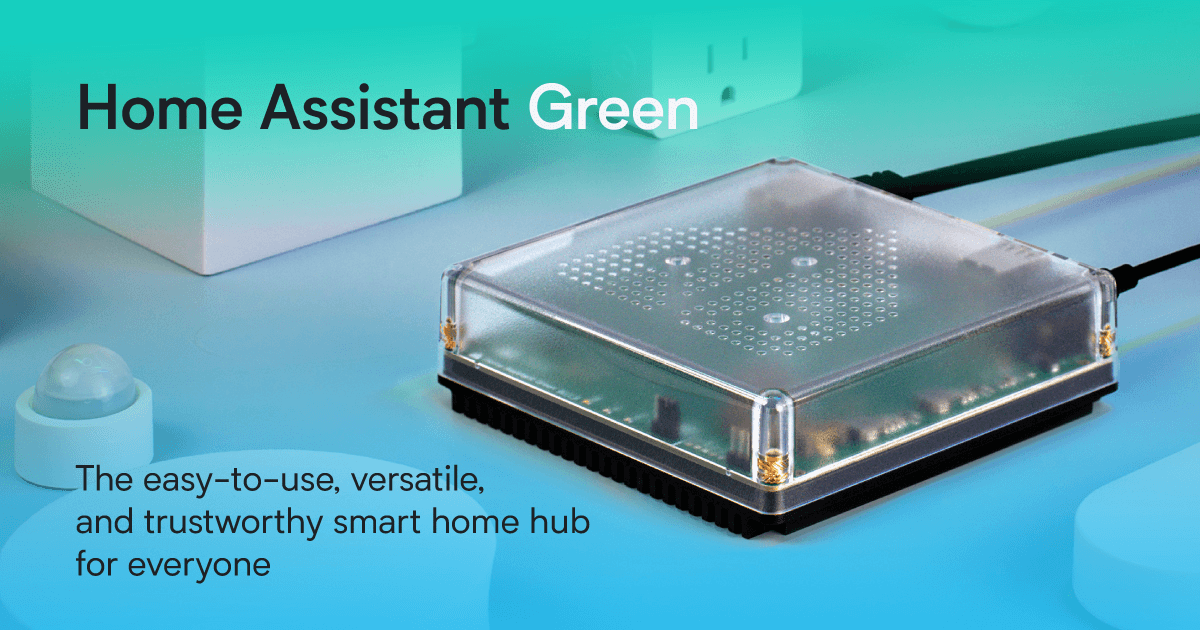
Home Assistant Green ships with HA OS pre-installed and an included Zigbee coordinator. Automations execute on your LAN — no cloud round-trip for core logic.
The Wrong Framing for Home Assistant Green
Choose Home Assistant Green if Local-first control without Raspberry Pi assembly. The decision is not the longest feature list — it is whether Zigbee (USB), integrations for 2000+ brands and Full local execution match how your household already runs automations. Watch for: Adding Thread accessories before you own a powered border router on each floor.
Home Assistant Green — Specifications That Matter
| Feature | Home Assistant Green |
|---|---|
| Primary | Quad-core ARM |
| Feature 2 | 32GB eMMC |
| Feature 3 | Zigbee dongle included |
| Feature 4 | Gigabit Ethernet |
Where Home Assistant Green Wins
Maximum platform independence
No vendor lock-in for automations
Home Assistant Green fits local setups when the hub stack is already decided.
Best when: Local-first control without Raspberry Pi assembly
Cost, Radios, and Household Fit
| Topic | Typical range | Practical check |
|---|---|---|
| Home Assistant Green | ~$99 | Confirm box model matches your research listing before pairing devices |
| Platform subscription | Optional Nabu Casa Cloud ($6.50/mo) for remote/voice | Add to three-year budget if you use cloud video or premium tiers |
| Radios on board | Zigbee (USB), integrations for 2000+ brands | List Z-Wave/Zigbee/Thread devices you already own |
| Local control | Full local execution | Disconnect WAN once to verify automations still run |
| Setup path | Browser onboarding at homeassistant.local | Run one test rule inside the return window |
Subscriptions: Budget for Optional Nabu Casa Cloud ($6.50/mo) for remote/voice beyond the purchase price.
Compared to Alternatives
| When this fits better | Lean toward | Why not Home Assistant Green? |
|---|---|---|
| Node-RED (self-hosted) often costs less upfront for the same Matter/Thread commissioning story. | Node-RED (self-hosted) | Stay on Home Assistant Green if migrating off it would mean replacing working Z-Wave or Zigbee devices Node-RED (self-hosted) cannot host natively. |
| Amazon Alexa (with Echo 4th Gen) fits when your household already standardized on its app stack and you only need its native radios. | Amazon Alexa (with Echo 4th Gen) | Prefer Home Assistant Green when Amazon Alexa (with Echo 4th Gen) lacks a radio you already own (especially Z-Wave) or when local-only rules matter more than Amazon Alexa (with Echo 4th Gen)'s cloud path. |
| Proxmox often costs less upfront for the same Matter/Thread commissioning story. | Proxmox | Stay on Home Assistant Green if migrating off it would mean replacing working Z-Wave or Zigbee devices Proxmox cannot host natively. |
| Docker Container On Unraid is the pragmatic pick for simpler onboarding and fewer advanced-rule headaches. | Docker Container On Unraid | Home Assistant Green earns the nod for larger multi-radio installs and owners who will use advanced local automations daily. |
| Apple HomeOS fits when your household already standardized on its app stack and you only need its native radios. | Apple HomeOS | Prefer Home Assistant Green when Apple HomeOS lacks a radio you already own (especially Z-Wave) or when local-only rules matter more than Apple HomeOS’s cloud path. |
| Local-first control without Raspberry Pi assembly | Home Assistant Green | Default pick when alternatives above lack the install path or platform fit you need. |
What to Avoid
- Adding Thread accessories before you own a powered border router on each floor.
- Mixing Home Assistant Green with a second cloud brain for the same room without a migration plan.
- Assuming Matter fixes incompatible legacy sensors without a bridge.
- Ignoring Z-Wave inventory you still depend on day one.
Integration and Daily Use
Home Assistant Green only pays off when Zigbee (USB), integrations for 2000+ brands match your primary hub. Plan local control through Full local execution before you mount hardware permanently.
Specs that change install decisions:
- Primary: Quad-core ARM
- Feature 2: 32GB eMMC
- Feature 3: Zigbee dongle included
- Feature 4: Gigabit Ethernet
Setup path: Browser onboarding at homeassistant.local. Subscription check: Optional Nabu Casa Cloud ($6.50/mo) for remote/voice.
Reliability, Firmware, and Owner Patterns
Pairing and firmware quirks show up in forums more often than hardware failure.
Recurring themes in long-running threads:
- Setup and hub pairing learning curve — common in owner threads
- Firmware-dependent features — verify after the first update cycle
- SKU confusion at checkout — match box art to the researched model
Match the Amazon listing to the exact model revision in recent reviews.
Summary
Home Assistant Green fits Local-first control without Raspberry Pi assembly.
Key specs: Quad-core ARM, 32GB eMMC, Zigbee dongle included, Gigabit Ethernet
Home Assistant Green ships with HA OS pre-installed and an included Zigbee coordinator. Automations execute on your LAN — no cloud round-trip for core logic.
Tradeoffs: Setup and hub pairing learning curve — common in owner threads; Firmware-dependent features — verify after the first update cycle; SKU confusion at checkout — match box art to the researched model
Check Current Price on Amazon (paid link)
What Owners Report
Aggregated Amazon and forum themes for this SKU:
- Praise: Local-first control without Raspberry Pi assembly
- Complaints: Pairing and firmware quirks show up in forums more often than hardware failure.
- SKU drift: Match the Amazon listing to the exact model revision in recent reviews.
Installing and Commissioning Home Assistant Green
- Unbox Home Assistant Green and confirm the model number matches your research listing.
- Update your primary hub firmware before pairing the accessory.
- Pair in the manufacturer app, then add to Apple Home / Google Home / Alexa if needed.
- Run one automation in the return window before permanent mounting.
Who Should Buy Home Assistant Green?
Choose this model if Local-first control without Raspberry Pi assembly.
Skip it if Your install path or platform does not match Home Assistant Green’s requirements.
Frequently Asked Questions
Does Home Assistant Green require a hub?
Home Assistant Green is the coordinator — accessories pair to it in the Hubitat app (or your chosen platform integration), not the reverse.
Is Home Assistant Green worth buying in 2026?
Worth it when Local-first control without Raspberry Pi assembly and street price fits your tier. Pass if a named alternative in this review already covers your radios.
What does Home Assistant Green cost beyond the hardware price?
Include optional cloud tiers (Optional Nabu Casa Cloud ($6.50/mo) for remote/voice) plus mounts and batteries — not just the headline price.
What do owners complain about most?
Forum threads cluster on pairing and firmware more than dead hardware — read reviews for your exact SKU revision.
How does Home Assistant Green compare to alternatives on this page?
Use the Compared to Alternatives table — each row names a real SKU and when Home Assistant Green loses on radios, hub fit, or three-year cost.
HTR Verdict
- Best for: Local-first control without Raspberry Pi assembly.
- Skip if: Your install path or platform does not match Home Assistant Green's requirements.
- Bottom line: Home Assistant Green earns its place when the alternatives above do not already solve the same job for less.