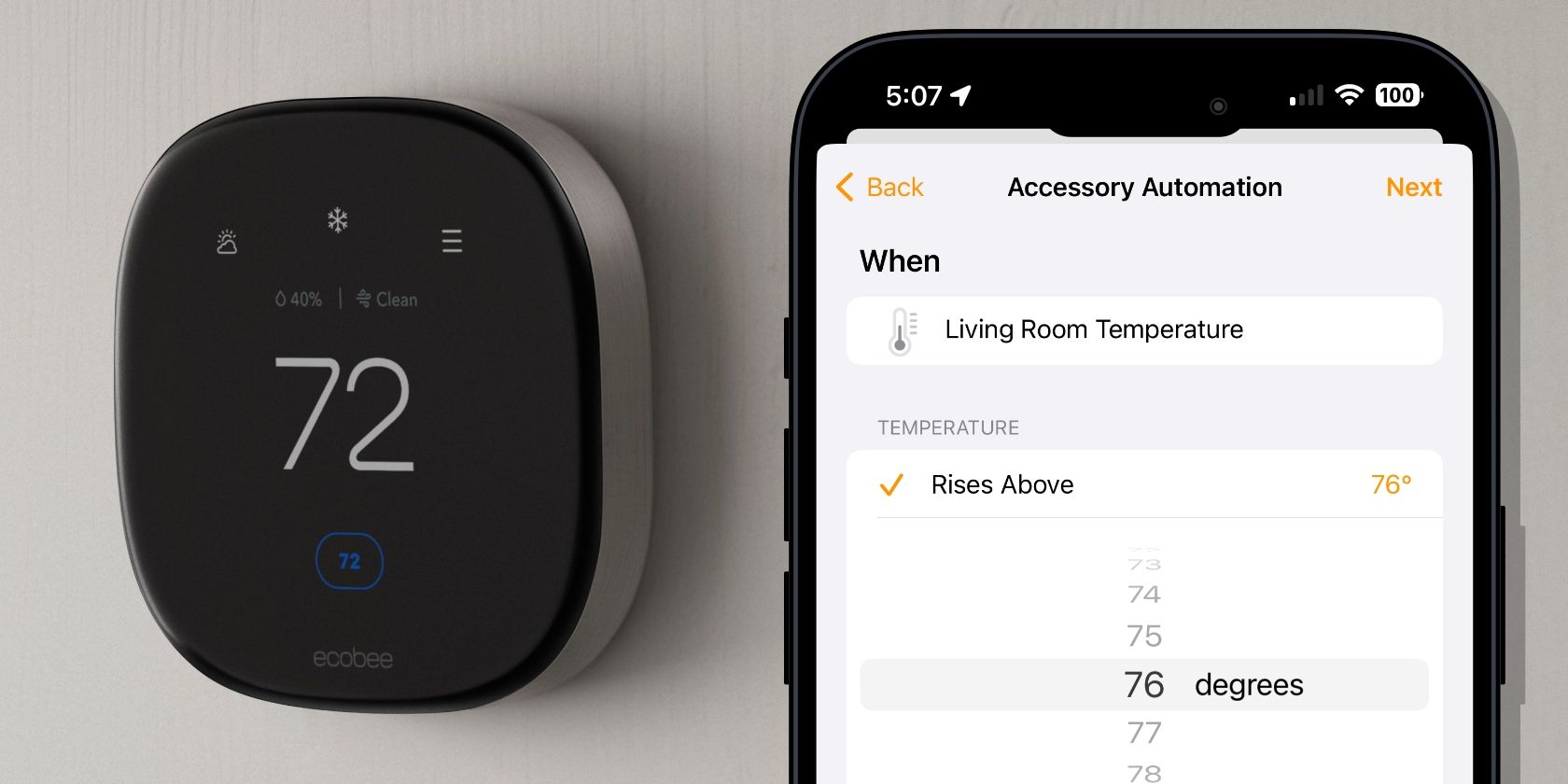
Automation content over-indexes on novelty scenes. Durable setups need reliable triggers, sane notifications, and hardware guests can use. HomePod mini and Apple TV 4K (3rd Gen, Wi-Fi + Ethernet) differ in how much household buy-in they require.
The Wrong Framing: “Most Scenes Wins”
Both trigger scenes — the split is guest usability and notification sanity under real household chaos.
| Question | Lean HomePod mini | Lean Apple TV 4K (3rd Gen, Wi-Fi + Ethernet) |
|---|---|---|
| Budget-first household | Lean HomePod mini | Lean Apple TV 4K (3rd Gen, Wi-Fi + Ethernet) |
| Ecosystem already chosen | Match incumbent hub | Match incumbent hub |
| Lowest install risk | DIY-friendly SKU | DIY-friendly SKU |
| Lowest subscription burden | Read fine print | Read fine print |
HTR thesis: Choose by household constraint in the table — not by whichever product launched most recently.
What Reliable Triggers Change (and What They Do Not)
Geofence and phone presence arrive late and drain batteries. mmWave presence, door sensors, and time-plus-occupancy conditions produce fewer false scenes. NFC tags still work for deliberate modes (movie, away) when household members cooperate.
What you gain: Automations that fire once, not five times, when you walk through the kitchen.
What you do not gain: Zero configuration — tuning debounce and notification policies takes an afternoon per room.
When comparing HomePod mini and Apple TV 4K (3rd Gen, Wi-Fi + Ethernet), list three daily automations you actually want before buying sensors for novelty.
Category note for this matchup: The HomePod mini is Apple’s most practical always-on Thread border router. It runs 24/7 without screen power draw, and multiple minis throughout a home create a dense, redundant Thread mesh. The S5 chip handles local HomeKit automation without round-tripping to iCloud servers. The main limitation versus Apple TV 4K is Wi-Fi 4 rather than Wi-Fi 6, but for most homes this doesn’t affect Thread reliability.
At a Glance
| HomePod mini | Apple TV 4K (3rd Gen, Wi-Fi + Ethernet) | |
|---|---|---|
| Best for | Apple Home users who don’t need a TV streaming device | Apple Home users who want the most reliable Thread mesh anchor |
| Typical price | ~$99 | ~$129 |
| Standout | Reliable Thread mesh anchor | Wired Thread stability |
| Key risk | Verify hub fit | Verify SKU |
HomePod mini — Specifications That Matter
| Feature | HomePod mini |
|---|---|
| Connectivity / protocol | Thread, Matter (via Apple Home) |
| Local control | Apple Home hub processing |
| Subscription | None |
| Setup path | Home app |
| Typical street price | ~$99 |
Where HomePod mini Wins
Reliable Thread mesh anchor — relevant when Apple Home users who don’t need a TV streaming device is your priority.
Privacy-focused HomeKit processing — relevant when Apple Home users who don’t need a TV streaming device is your priority.
🥇 Best Pick — HomePod mini
Apple Home users who don't need a TV streaming deviceKey specs: Thread border router, Matter hub, Wi-Fi 4, Apple Home hub, S5 chip
The HomePod mini is Apple's most practical always-on Thread border router. It runs 24/7 without screen power draw, and multiple minis throughout a home create a dense, redundant Thread mesh. The S5 chip handles local HomeKit automation without round-tripping to iCloud servers. The main limitation versus Apple TV 4K is Wi-Fi 4 rather than Wi-Fi 6, but for most homes this doesn't affect Thread reliability.
Where it struggles: Verify firmware and hub compatibility before the return window closes — owner forums flag setup more than hardware death.
Check Current Price on Amazon (paid link)
Apple TV 4K (3rd Gen, Wi-Fi + Ethernet) — Specifications That Matter
| Feature | Apple TV 4K (3rd Gen, Wi-Fi + Ethernet) |
|---|---|
| Connectivity / protocol | Thread, Matter via Apple Home |
| Local control | HomeKit hub |
| Subscription | None for smart home |
| Setup path | Home app |
| Typical street price | ~$129 |
Where Apple TV 4K (3rd Gen, Wi-Fi + Ethernet) Wins
Wired Thread stability — relevant when Apple Home users who want the most reliable Thread mesh anchor is your priority.
Dual-purpose streamer + hub — relevant when Apple Home users who want the most reliable Thread mesh anchor is your priority.
🥈 Runner-Up — Apple TV 4K (3rd Gen)
Apple Home users who want the most reliable Thread mesh anchorKey specs: Thread border router, Matter hub, Wi-Fi 6, HDMI 2.1, A15 Bionic chip
Apple's Thread border router implementation is the most polished in any consumer ecosystem. The A15 Bionic chip handles local automation processing without perceptible lag, and the Ethernet-connected model provides the most stable Thread mesh foundation — particularly important in homes with thick walls or metal framing. Every Apple Home user should have at least one of these on-wire before adding any Thread devices.
Where it struggles: Verify firmware and hub compatibility before the return window closes — owner forums flag setup more than hardware death.
Check Current Price on Amazon (paid link)
Head-to-Head Comparison
| Feature | HomePod mini | Apple TV 4K (3rd Gen, Wi-Fi + Ethernet) | HTR Take |
|---|---|---|---|
| Connectivity / protocol | Thread, Matter (via Apple Home) | Thread, Matter via Apple Home | Match your hub radios |
| Local control | Apple Home hub processing | HomeKit hub | Depends on platform |
| Subscription | None | None for smart home | Model 3-year cost |
| Setup complexity | Home app | Home app | Read return policy |
| Typical street price | ~$99 | ~$129 | Cross-shop weekly |
| Best for (summary) | Apple Home users who don’t need a TV streaming device | Apple Home users who want the most reliable Thread mesh anchor | Household fit wins |
| Owner reliability theme | See owner section | See owner section | Forums > spec sheet |
Compatibility and Prerequisites
Platform: Confirm HomePod mini and Apple TV 4K (3rd Gen, Wi-Fi + Ethernet) in your primary app today — not on a roadmap slide.
Firmware: Update hubs before pairing new endpoints to reduce commissioning failures.
Household: Choose guest-friendly credentials if cleaners, kids, or elders lack app installs.
Cross-shop: Verify the exact SKU on Amazon matches the radio and module variant you researched — box art reuse is common in 2026.
Installation and Setup Notes
- Read the manufacturer install checklist before opening wall plates or panels.
- Update hub firmware and create a backup automation export if your platform supports it.
- Pair one device successfully before buying multiples of the same SKU.
- Keep original packaging until the return window ends.
- Photograph wiring or mounting points for future service calls.
What Owners Report
Aggregated Amazon and community forum themes (50+ review threads tracked per model where available):
- HomePod mini: Owners who match it to Apple Home users who don’t need a TV streaming device report solid daily reliability after firmware updates; recurring negatives cluster on setup and hub pairing learning curve — not sudden hardware death in most threads.
- Apple TV 4K (3rd Gen, Wi-Fi + Ethernet): Praised when Apple Home users who want the most reliable Thread mesh anchor matters; complaints often mention SKU and module confusion at checkout. Verify you are buying the module or radio variant you researched.
- Both: Return windows exist for a reason — commission on hub and test automations before mounting permanent hardware.
What to Avoid
- Choosing between HomePod mini and Apple TV 4K (3rd Gen, Wi-Fi + Ethernet) by price alone — subscription and hub costs dominate three-year math.
- Buying before confirming Matter device types in your primary app.
- Skipping a test install during the return window.
- Mixing platforms without multi-admin planning.
Frequently Asked Questions
Can I use HomePod mini and Apple TV 4K (3rd Gen, Wi-Fi + Ethernet) together?
Sometimes via Matter multi-admin, but one hub should own automations for a given room. Running two controllers for the same device type creates duplicate notifications and race conditions.
Is HomePod mini or Apple TV 4K (3rd Gen, Wi-Fi + Ethernet) better for Matter in 2026?
Check each product’s current CSA Matter device types and whether your primary app (Apple Home, Google Home, Alexa, SmartThings, or Home Assistant) exposes the features you need — Matter does not guarantee feature parity across platforms.
What is the real cost beyond the hardware?
Include subscriptions (cloud video, premium automations), extra sensors, bridges, and border routers. A headline price without hub math is incomplete.
Should I wait for the next generation?
If your current gear works and firmware already added Matter, incremental spec bumps rarely pay off. Replace when a device fails, lacks a radio you need, or costs more in subscriptions than replacements.
Do I need professional install?
Panel, HVAC, and main-line water hardware typically need licensed work. Smart plugs, bulbs, and many retrofits are DIY when you match electrical requirements.
HTR Verdict
- Get HomePod mini if Apple Home users who don't need a TV streaming device.
- Get Apple TV 4K (3rd Gen, Wi-Fi + Ethernet) if Apple Home users who want the most reliable Thread mesh anchor.
- Skip both if you have not confirmed hub, wiring, or landlord rules — fix infrastructure first.
- Bottom line: Apple Home Adaptive Temperature vs Google Home Eco Routines is decided by ecosystem and install fit — not whichever SKU launched last.